
My First Pudding Cake
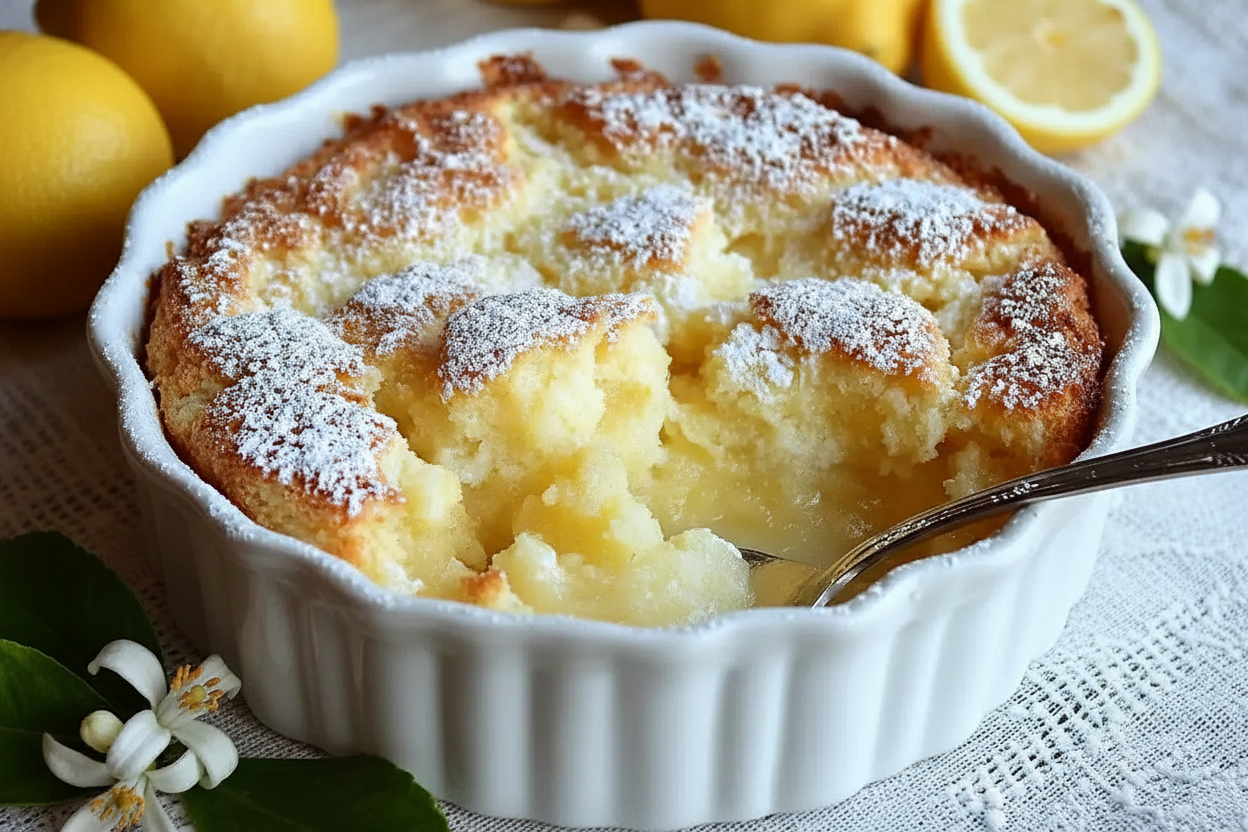
I still remember the first time I made this lemon butter syrup pudding cake. I was maybe twelve, standing on a stool in my grandma’s kitchen. She told me to pour the batter right over the melted butter and not stir. I thought she was teasing. But she just smiled and said, “Trust the pan.” I laughed later when I saw that golden, saucy cake come out of the oven. Have you ever made a pudding cake that looks like a happy accident at first?
Why Lemon Zest Matters
The recipe starts with rubbing lemon zest into sugar with your fingers. This is not just for fun. Rubbing releases the oils hidden in the yellow peel. Those oils carry all the sunny, bright flavor. That little step makes the whole cake taste like a lemon tree in bloom. Fun fact: Lemons are actually a hybrid fruit – a cross between a citron and a bitter orange. So every lemon carries a little secret history in its skin.
What is your favorite way to get the most flavor out of a lemon? I love to rub zest and sugar together until the kitchen smells like a summer day.
A Science Project You Can Eat
When you pour the batter over the hot butter and then pour the lemon syrup on top, it looks like a messy experiment. Do not stir. I know it feels wrong. But the butter and syrup trade places in the oven. The cake rises to the top, and a thick, tangy sauce forms underneath. My little cousin once called it “magic soup cake.” That’s pretty close to the truth. Why does this matter? Because understanding why we don’t stir helps you trust simple steps in cooking – and that trust leads to delicious surprises.
Waiting Is the Hardest Part
The cake needs to rest for ten to fifteen minutes after baking. I know you want to dig in right away. But if you wait, the sauce thickens and turns into something like a warm lemon pudding. One time I was too impatient and scooped it too fast. The sauce ran all over the plate. Still tasted wonderful, but it was messy. Now I set a timer and go wash a spoon or two while it rests. Do you like to peek into the oven or do you walk away and wait?
Berries Make It Even Better
This recipe says you can drop a handful of blueberries or raspberries on top before baking. I love that little touch. The berries get soft and pop with sweetness against the tart lemon. Last summer I used blackberries from my neighbor’s bush. The cake turned a pretty purple at the edges. It felt like a secret garden dessert. What fruit would you scatter on top? Passionfruit? Sliced strawberries? I’d love to hear your ideas.
Why Simple Recipes Stick Around
A recipe like this one does not need fancy tools or hard-to-find ingredients. That is why it lasts generation after generation. You can make it with pantry basics and a lemon from the store. Yet each time feels special. The cake teaches you that patience, trust, and a little bit of lemon magic are all you need. That is why this matters: good food is not about complicated steps. It is about showing up with love and a little bit of curiosity. Doesn’t that smell amazing?
Instructions
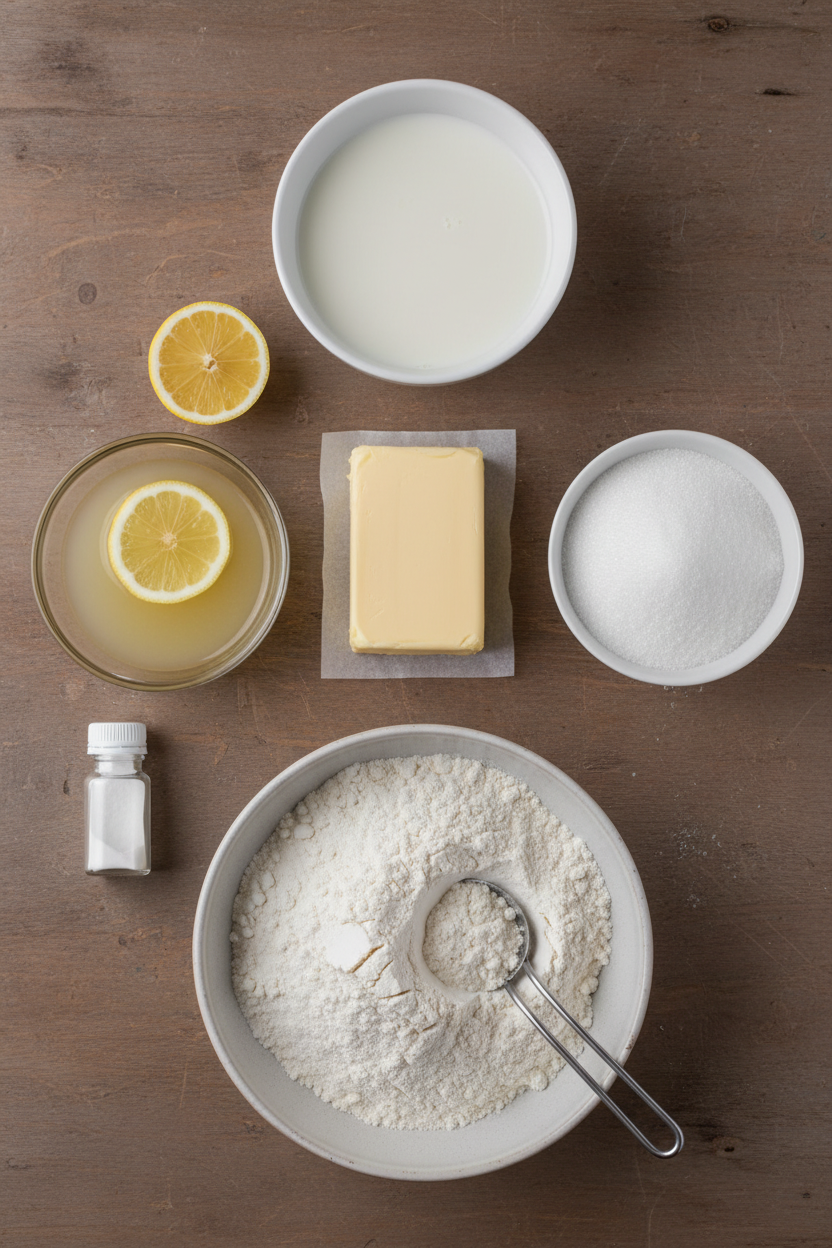
Step 1: Heat the oven to 350 F. Drop a stick of butter into a 9×13 pan and pop it in the oven. Watch it melt – it smells like buttered toast. (Hard-learned tip: If it goes a shade darker, that nutty flavor is brilliant with lemon.) My grandma always said the butter knew when to stop.
Step 2: In a medium bowl, rub lemon zest into sugar with your fingertips until it smells like sunshine. Whisk in flour, baking powder, and salt. This little bit of elbow grease wakes up the lemon oils.
Step 3: Pour in milk and vanilla. Whisk just until smooth-ish – a few tiny lumps are fine. It should look like pancake batter that took a nap. Do you prefer pancakes or waffles? Share below!
Step 4: Carefully pull the hot pan with melted butter out of the oven. Pour the batter straight over the butter. Do not stir. It looks strange, like a science project, but trust it.
Step 5: In a small jug, stir lemon juice, 1/2 cup hot water, and 1/3 cup sugar until dissolved. Gently pour this all over the batter. Again, resist the stirring urge. If using berries, scatter a handful on top now.
Step 6: Slide the pan back into the oven and bake 38 to 48 minutes. The top should be golden, the edges crisp, and the center jiggly. Buttery bubbling means good things are happening.
Step 7: Let it rest 10 to 15 minutes. The sauce thickens as it cools, and that is where the magic happens. Spoon it up while warm – it tastes like a hug.
Creative Twists
… Toss in a handful of fresh blueberries before baking for little bursts of tartness.
… Swap the lemon for orange zest and juice, then add a pinch of cinnamon for a cozy twist.
… Drizzle a little honey over the top right after it comes out of the oven.
Which one would you try first? Comment below!
Serving & Pairing Ideas
Serve this pudding cake warm with a big dollop of whipped cream or a scoop of vanilla ice cream. The cool cream next to the warm lemon sauce is pure comfort. You can also add a few fresh raspberries on the side and a tiny sprig of mint for color. Or just grab a spoon and eat it straight from the pan – no judgment here. Which would you choose tonight?
Storing and Reheating Your Lemon Butter Syrup Pudding Cake
This pudding cake is best eaten warm, the day you make it. But leftovers are a treat too. Let the cake cool completely, then cover the pan tightly with foil or plastic wrap. Pop it in the fridge for up to three days. I once forgot a slice in the fridge and found it two days later. The sauce had thickened into a lovely lemon curd, and I ate it cold with a spoon. Heaven.
To reheat, scoop a portion into a small bowl. Microwave for 20 to 30 seconds, just until the sauce gets syrupy again. You can also warm it in a 300 F oven for 10 minutes. If you make a double batch, freeze the extra in a freezer-safe dish. Thaw overnight in the fridge, then reheat gently. Batch cooking saves time and gives you dessert ready whenever you crave it. That is why storing matters—you get to enjoy the magic twice. Have you ever tried storing it this way? Share below!
Three Common Problems and Easy Fixes
Sometimes the cake turns out too dry. That usually means you baked it a few minutes too long. Next time, start checking at 38 minutes. The center should jiggle just a little. I remember pulling one out at 45 minutes, and it was still perfect.
Another issue: the syrup doesn’t separate into a gooey sauce. This happens if you stir the batter after adding the lemon water. Trust the process and never stir. Layering creates the magic. Why does this matter? Because when you learn to let the layers be, you build confidence in following a method, not just a recipe. That makes you a better cook.
Third problem: the cake sticks to the pan. Use a metal or glass 9×13 pan, and let the melted butter coat the bottom well before pouring in the batter. If you use nonstick spray on top of the butter, even better. Flavor improves when you avoid frustration. A clean release means you get every buttery bite. Which of these problems have you run into before?
Your Quick Questions
Can I use bottled lemon juice instead of fresh?
Yes, you can use bottled lemon juice in a pinch. But fresh lemon juice gives a brighter, cleaner flavor. The zest is key for that sunshine smell, and you cannot get zest from bottled juice. If you only have bottled, use about the same amount. The cake will still be good, but it will lack that fresh lift. I always keep lemons on hand for this reason. The difference is small but noticeable. Which tip will you try first?
What if I don’t have a 9×13 pan?
You can use an 8×8 or 9×9 square pan instead. The cake will be thicker, so increase the baking time by 5 to 10 minutes. Keep an eye on the center jiggle. A 9×13 pan gives the perfect depth for the sauce to pool around the cake. If you use a smaller pan, the layers still work, but the sauce might be less visible. I once used a round 10-inch dish and it turned out fine. Just adjust the time. The most important thing is not to stir after pouring the syrup. Which tip will you try first?
Can I make this gluten-free?
Yes, swap the all-purpose flour for a gluten-free 1:1 baking blend. Make sure it contains xanthan gum. The batter will be a bit thinner, but it bakes up nicely. The syrup layer works the same way. I tested this for a friend who cannot eat gluten, and she loved it. The cake might be slightly more tender, so let it cool a few extra minutes before serving. Gluten-free versions still give you that buttery lemon pudding underneath. The key is to trust the no-stir rule no matter what flour you use. Which tip will you try first?
A Warm Goodbye from Lily Simmer
I hope this Lemon Butter Syrup Pudding Cake brings you the same cozy joy it brings my family. There is something special about watching the sauce bubble up through the cake. It feels like kitchen magic you made with your own hands. Please try it and tell me how it goes. *Fun fact: this cake is sometimes called a “self-saucing pudding” because it makes its own syrup while baking.* Have you tried this recipe? Leave a comment below with your thoughts and questions. I read every one. Happy cooking! —Lily Simmer.

Lemon Butter Syrup Pudding Cake
Description
A luscious lemon pudding cake with a buttery syrup layer that forms its own sauce as it bakes. Perfectly tangy and sweet.
Ingredients
Main Ingredients
For the Syrup
Instructions
- Heat the oven to 350°F (about 175°C). Drop the butter into a 9 by 13 pan and pop the pan in the oven while it heats so the butter melts. Keep an eye out. Browned butter is lovely, burned butter is not. But if it goes a shade darker, actually, the nutty note is brilliant with lemon.
- In a medium bowl, rub the lemon zest into the sugar with your fingertips until it smells like sunshine. Whisk in the flour, baking powder, and salt. Pour in the milk and vanilla. Whisk just until smooth-ish. A few tiny lumps are fine; it should not look like cake batter, more like pancake batter that took a nap.
- Carefully pull the hot pan with the melted butter out of the oven. Pour the batter straight over the butter. Do not stir. It looks strange, like a science project, but trust it. In a small bowl or measuring jug, stir the lemon juice with 1/2 cup hot water and 1/3 cup sugar until the sugar dissolves. Gently pour this all over the batter. Again, resist the stirring urge. If using berries, scatter a handful over the top now.
- Slide the pan back into the oven and bake 38 to 48 minutes. It is done when the top is golden, the edges are deeply crisp, and the center has set but still jiggles the tiniest bit when you nudge the pan. If you see buttery bubbling, that is your sign of good things. Let it rest 10 to 15 minutes. The sauce thickens as it cools, which is where the magic happens. Then spoon it up while it is warm.
Step 1: Preheat and Melt Butter
Step 2: Make the Batter
Step 3: Assemble the Cake
Step 4: Bake and Serve
Notes
- Use room-temp eggs and butter for smooth batter. Do not overmix; lumps are fine. The cake rises above a tangy lemon pudding layer. For the syrup, simmer lemon juice, butter, and sugar until dissolved. Pour syrup over batter before baking. Bake in a water bath (hot water halfway up pan) for gentle, even cooking. Let cool slightly before serving warm.